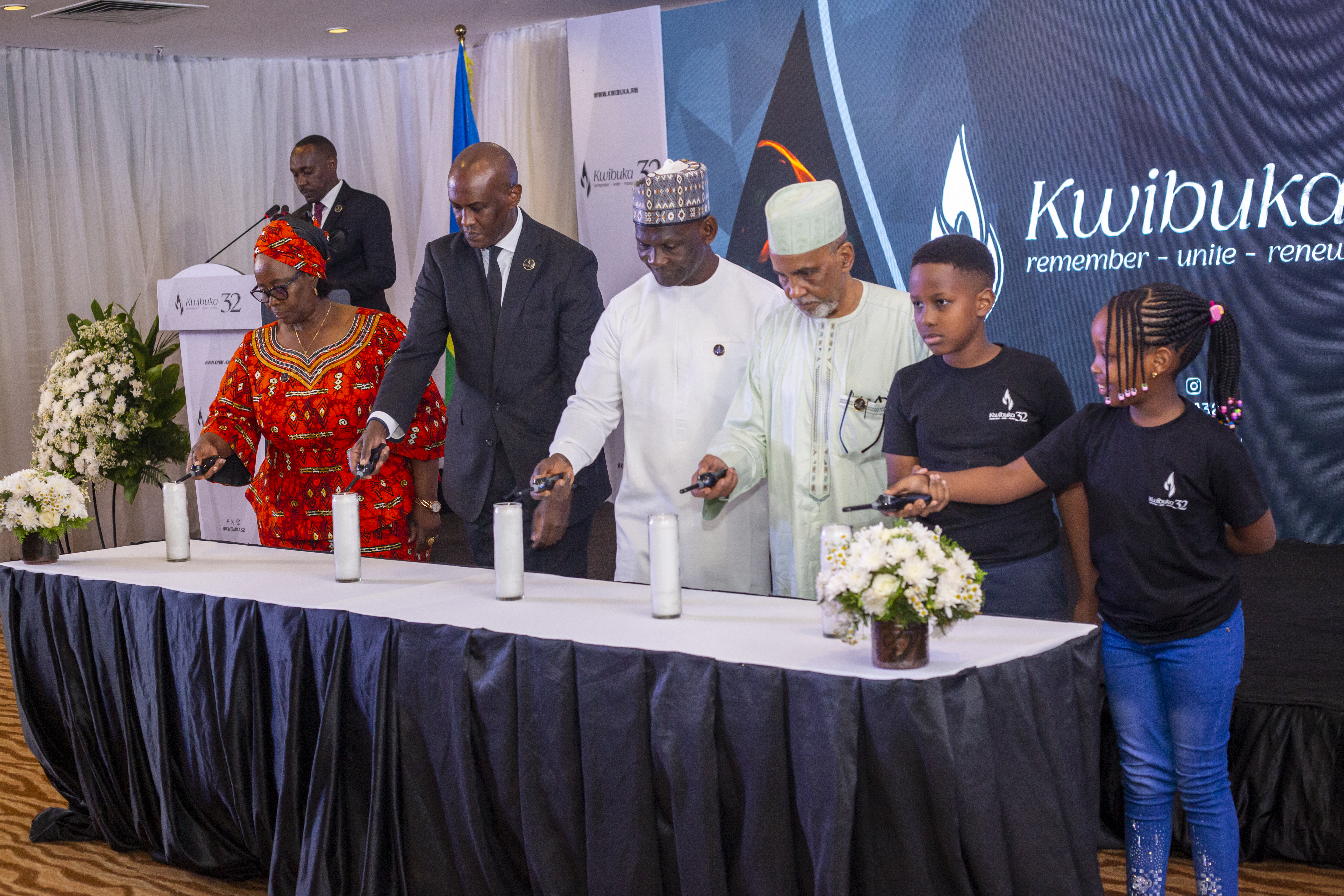
Rwanda High Commission in Nigeria Marks 32nd Commemoration of the 1994 Genocide against the Tutsi (Kwibuka 32)
On 7 April 2026, the High Commission of Rwanda in Nigeria, in partnership with the Rwandan community, organized a solemn event to mark the 32nd Commemoration of the 1994 Genocide against the Tutsi in Rwanda. The event was held at the Transcorp Hilton Hotel in Abuja and brought together approximately 250 participants, including Government of Nigeria officials, members of the diplomatic corps, representatives of international organizations, and friends of Rwanda.

The commemoration, held under the theme “Remember – Unite – Renew,” underscores the importance of preserving historical memory and fostering unity against division and hate. It also provides an opportunity to reflect on the responsibility of all, particularly the media, in safeguarding historical truth, countering denial and distortion, and preventing the spread of hate speech. The term Kwibuka, meaning “to remember,” captures the essence of honoring victims, supporting survivors, and ensuring that such atrocities never recur.

H.E. Ambassador Moses Rugema, Rwanda’s High Commissioner to Nigeria, delivered remarks emphasizing the importance of transforming remembrance into a shared responsibility—one that directly confronts both the historical truth of the 1994 Genocide against the Tutsi and contemporary threats that may enable similar atrocities. He underscored that the genocide was deliberate and premeditated, neither spontaneous nor accidental, and reflected on the international community’s failure to respond decisively at the time, while acknowledging the principled positions taken by members of the United Nations Security Council, including Nigeria’s then Permanent Representative, Professor Ibrahim Gambari.
Ambassador Rugema highlighted Rwanda’s post-genocide trajectory, emphasizing the nation’s commitment to unity, reconciliation, and institutional strengthening as a foundation for preventing future atrocities. He observed that genocide ideology, denial, and distortion persist and are increasingly amplified by digital platforms and emerging technologies, including artificial intelligence. Drawing attention to ongoing risks in parts of the Great Lakes region, particularly against Tutsi communities such as the Banyamulenge in eastern Democratic Republic of Congo, he stressed that silence in the face of such threats constitutes complicity. The High Commissioner concluded that the principle of “Never Again” must be upheld through vigilance, education, and collective responsibility.

The message of the United Nations Secretary-General was delivered by Ms. Beatrice Eyong, representing the UN Resident and Humanitarian Coordinator in Nigeria. The statement paid tribute to the resilience of survivors and called for strengthened global commitment to the prevention of genocide, including through the full implementation of the Genocide Convention and enhanced international cooperation.
The commemoration reaffirmed the obligations of all States under the 1948 Convention on the Prevention and Punishment of the Crime of Genocide, as well as United Nations Security Council Resolution 2150.
Rwanda remains committed to promoting unity, accountability, and prevention, while contributing to regional peace and stability through bilateral and multilateral cooperation.
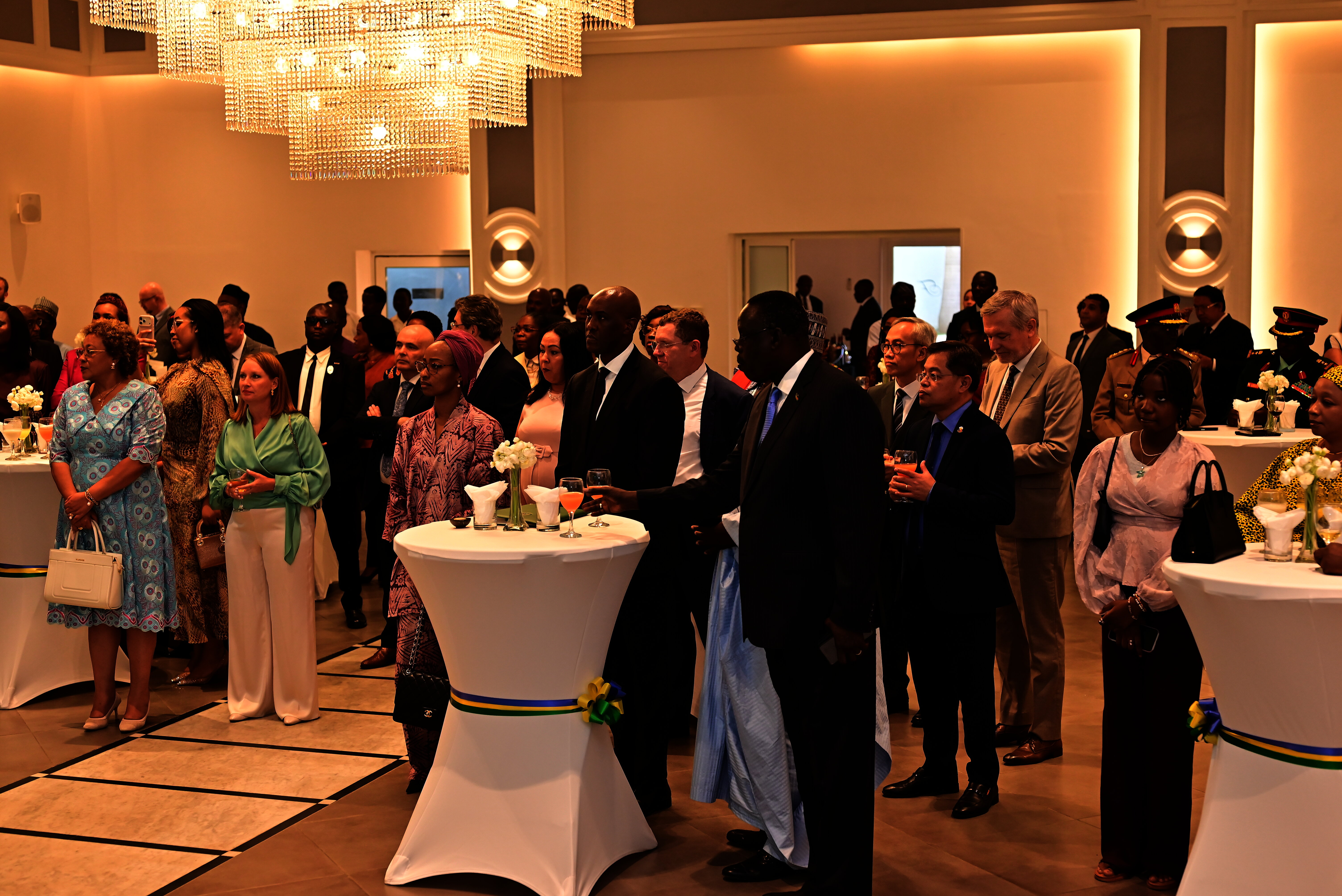
Rwanda’s 32nd Liberation Anniversary Celebrated in Abuja

Visit Rwanda and Aston Villa Launch Landmark Front of Shirt Partnership

Rwanda’s mountain gorilla documentary premieres globally on Netflix
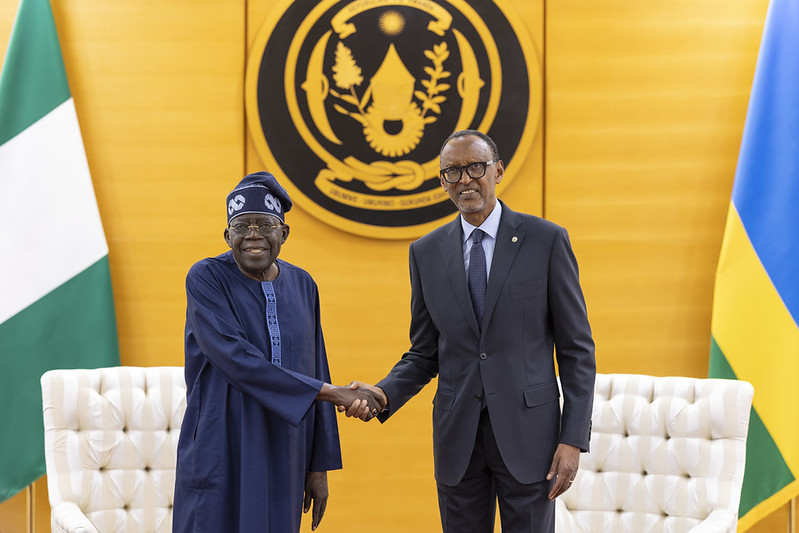
Nigeria Implements 30-Day Visa-Free Entry for Rwandan Nationals
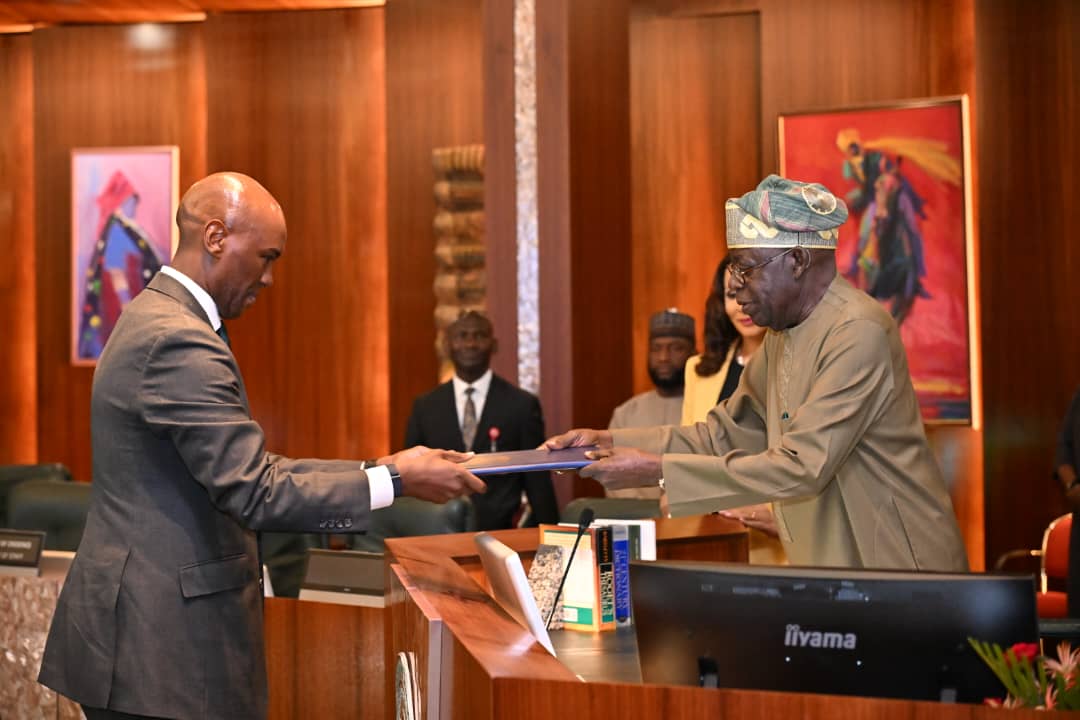
Ambassador Moses Rugema Presents Letters of Credence to the President of the Federal Republic of Nigeria
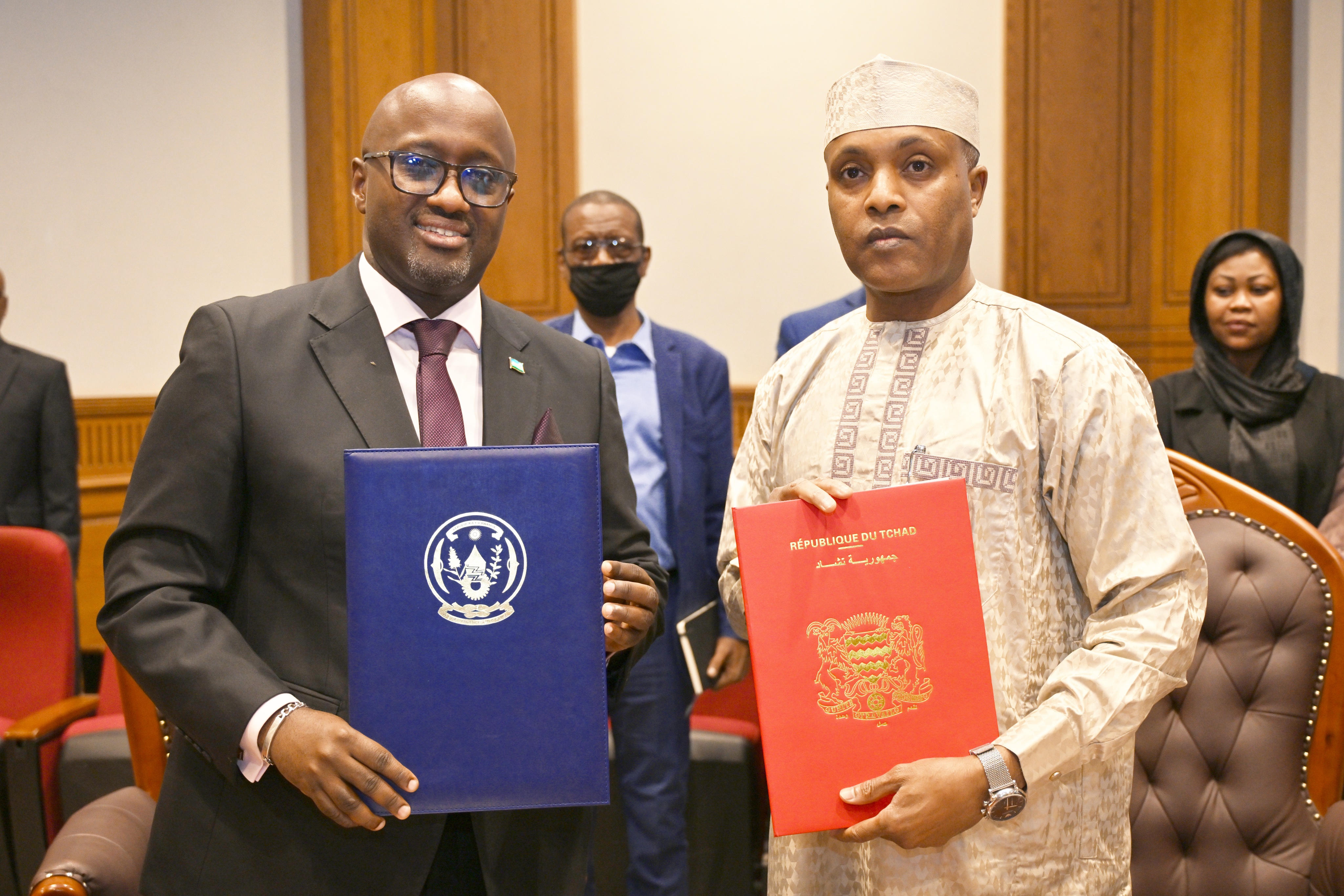
Rwanda and Chad Sign Agreement Establishing Joint Cooperation Commission

Government of Rwanda launches Innovate Rwanda to strengthen the national innovation ecosystem

Fitch Ratings Affirms Rwanda’s ‘B+’ Credit Rating, Upgrades Outlook to Stable
